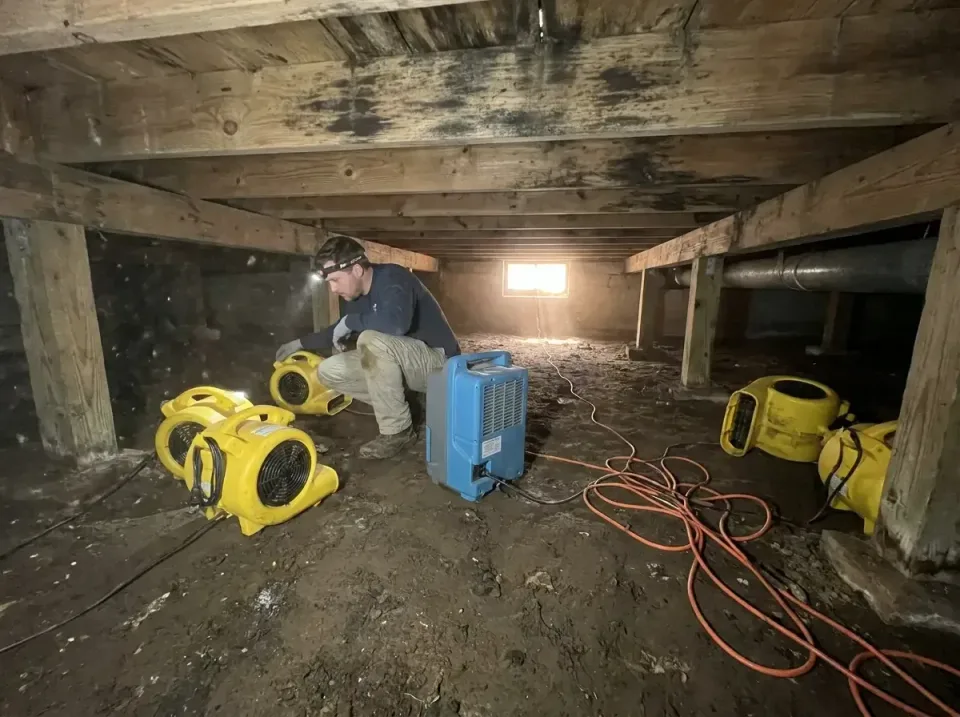
Basement Water Extraction & Crawl Space Drying
Homeowners and property managers book Long Beach basement extraction and crawl space drying after leaks, flooding, or storm water intrusion.
Yes. A sewage backup requires professional black-water cleanup because its water category reflects contamination level, not simply visible dirt.
When black water backs into a bathroom, keep people and pets away. Do not touch outlets, switches, or soaked materials near the spill.
Water Damage Pros uses emergency water extraction, controlled removal, and drying methods suited to sewage exposure. The first 24 hours remain the priority extraction window.
Long Beach homes can also face moisture migration behind baseboards and beneath flooring. Our all service areas page shows broader coverage for urgent water-loss situations.
A professional inspection identifies the source, affected materials, and safe disposal path. That matters even when the visible wastewater seems limited.
Contamination: A water category describes contamination level, so sewage should not be treated like a clean-water spill.
Electrical safety: Standing water near electrical outlets requires isolation and evaluation before extraction equipment enters the room.
Moisture boundaries: Moisture mapping records documented wet-area boundaries behind walls, under flooring, and beneath cabinets.
Air moisture: GPP, or grains per pound, helps psychrometrics track moisture in the air during drying.
Equipment choice: A desiccant dehumidifier is an adsorption drying unit suited to conditions where ordinary moisture removal is insufficient.
Water Damage Pros can coordinate saturated material removal, contents handling, and documented drying for Long Beach residences. Sewage cleanup guidance for property owners can help explain why contaminated materials need controlled handling.
Sewage is handled as black-water sewage cleanup because the contamination risk can include pathogens, chemicals, and hidden residue. Clean water versus black water is a lower-contamination versus regulated-handling distinction, not a cosmetic judgment.
ANSI/IICRC S500: Professional Water Damage Restoration gives technicians a framework for water categories and four water-damage classes. A sewage loss may involve Category 2 or Category 3 conditions, especially after toilet overflow, drain backup, or rising wastewater.
Carpet pad, gypsum board, insulation, and other porous materials can hold contamination after surface water disappears. A truck-mounted extractor provides high-volume water recovery, while portable equipment may suit stairs or tight access.
The first step is source removal: stop the backup, isolate affected rooms, and prevent additional moisture migration. Workers then assess the drying class, which describes affected material and volume, before deciding what can be cleaned or must be removed.
HEPA containment limits dust and spore spread during demolition. OSHA 29 CFR 1910.134: Respiratory Protection addresses respirator programs, fit testing, and safe work practices for contaminated environments.
A technician may use a pin meter, thermal imaging camera, and moisture mapping to find wet areas beyond visible staining. Air movers circulate air, while dehumidifiers remove moisture; using only household fans often leaves concealed materials wet.
For occupied homes, a HEPA air scrubber is preferable to ozone because filtration removes airborne particles without introducing odor oxidation equipment into living spaces. Water damage restoration practices for contaminated properties can provide useful context on controlled extraction and drying work.
DIY cleanup may be reasonable for a small clean-water spill with no electrical exposure, sewage contact, or porous-material saturation. Sewage is different because disposal, protective equipment, containment, and cleaning chemicals create risks that ordinary household tools do not address.
The EPA Clean Water Act means contaminated discharge rules may apply to wastewater disposal. State solid-waste rules can also control sewage debris, so contaminated carpet, drywall, and insulation should not automatically go into ordinary household trash.
Call Water Damage Pros when sewage reaches living areas, remains beneath flooring, affects HVAC components, or creates a persistent odor. A professional can provide insurance documentation, drying records, and a dry standard based on unaffected materials.
Brown ceiling stains spreading outward, cupped floorboards, or wet carpet padding can show moisture migration beyond the original backup. A surface that feels dry may still be wet at the saturation point inside subflooring or wall cavities.
The ANSI/IICRC S520: Mold Remediation Standard becomes relevant when mold growth or contaminated demolition is present. The EPA Mold Remediation in Schools and Commercial Buildings guidance also emphasizes controlling spread during removal.
Drying commonly takes 3–5 days, depending on materials, access, temperature, and equipment performance. Daily readings determine when equipment can be removed; a calendar estimate alone cannot prove the structure is dry.
The table separates emergency removal from drying and containment choices. Psychrometric monitoring tracks humidity and temperature, while a pin meter measures material moisture.
| Option | Best for | Key detail |
|---|---|---|
| Sewage and black-water cleanup | Bathroom backups and contaminated flooring | Six-mil containment poly helps isolate demolition areas |
| Structural drying and dehumidification | Wet framing, subfloor, and wall cavities | LGR units remove moisture after extraction |
| Hardwood floor drying | Cupped boards after concealed water movement | Pin meter versus infrared camera: material readings versus thermal patterns |
| HEPA containment | Demolition with dust or mold concerns | Negative-air control limits movement into occupied rooms |
Insurance documentation includes drying logs and equipment records. Restoration documentation practices for water-loss claims can help property owners understand why readings and photographs matter.
Dispatch: Water Damage Pros sets a same-day emergency dispatch target and confirms the backup source is stopped.
Safety check: Technicians verify electrical safety, use GFCI protection, and keep equipment away from wet circuits.
Site setup: Equipment goes in low-traffic ventilated areas, with hose ramps providing low-profile threshold protection.
Containment: HEPA containment uses negative-air control during demolition, while contents are confirmed before porous-material disposal.
Drying: Daily moisture and humidity readings guide air-mover placement and equipment changes.
Closeout: The crew prepares an insurance documentation package and removes equipment after target dryness is reached.
The HEPA scrubber versus ozone difference is filtration versus odor oxidation; ozone should never run in occupied spaces.
Sewage cleanup: $2,000–$8,000, driven by contamination, demolition, and disposal.
Basement extraction: $1,000–$4,000, based on volume, depth, and drying duration.
Crawl-space drying: $1,500–$5,000, influenced by access, insulation, and moisture levels.
Whole-home water damage: $3,000–$10,000, depending on affected materials and equipment days.
Light-commercial extraction: $5,000–$20,000, reflecting square footage and occupancy constraints.
Regional labor, disposal requirements, access, and building construction can change the range in Long Beach and elsewhere. Dump trailers may hold 10–20 cubic yards, but the needed capacity depends on removed materials.
Final quotes vary by scope, materials, access, and drying conditions.
Expert insight:
A room can look dry while moisture continues moving through hardwood, plaster, or concrete. Class 4 describes deep saturation, so technicians must compare readings with unaffected materials.
An air mover is a high-velocity drying fan that circulates air, but circulation alone cannot remove enough moisture. A hygrometer measures relative humidity and helps determine whether drying air can accept more vapor.
Negative air means controlled exhaust airflow, useful when demolition could spread contaminated dust. Moisture migration can continue after extraction because vapor pressure pushes water through connected materials.
Common mistake: Removing equipment because the floor feels dry, without checking concealed layers or documenting a dry standard.
Water Damage Pros uses readings and material comparisons rather than appearance alone. Professional drying equipment and moisture-control methods illustrate why extraction and measurement work together.
Sewage entering a Long Beach home should be treated as a black-water event until its water category and affected materials are assessed. Household fans and surface wiping cannot confirm safe conditions behind walls or below flooring.
If mold spots return, a musty odor remains after basement flooding, or wastewater reached carpet, call Water Damage Pros for emergency water extraction. Antimicrobial treatment and HEPA vacuuming may follow removal, while indoor air-quality testing can address lingering concerns.
Keep photographs, damaged-material lists, and insurance claim documentation together. Water Damage Pros can explain the next inspection step and arrange a practical quote path at (833) 710-2743.
Browse all nationwide service options and choose the right fit for your project.
Homeowners and property managers book Long Beach basement extraction and crawl space drying after leaks, flooding, or storm water intrusion.
Homeowners, contractors, and property managers book Long Beach structural drying for wet materials, humidity control, and dehumidification.
Homeowners and property managers book Long Beach mold remediation for contained spore removal, HEPA cleaning, and moisture control.
Homeowners and property managers book Long Beach sewage cleanup for contaminated water, debris, odors, and saturated materials.
Homeowners, property managers, and contractors book Long Beach carpet extraction for wet padding, water recovery, and controlled drying.
Homeowners and property managers book Long Beach gray water extraction for contaminated water, wet carpet, and moisture-damaged materials.
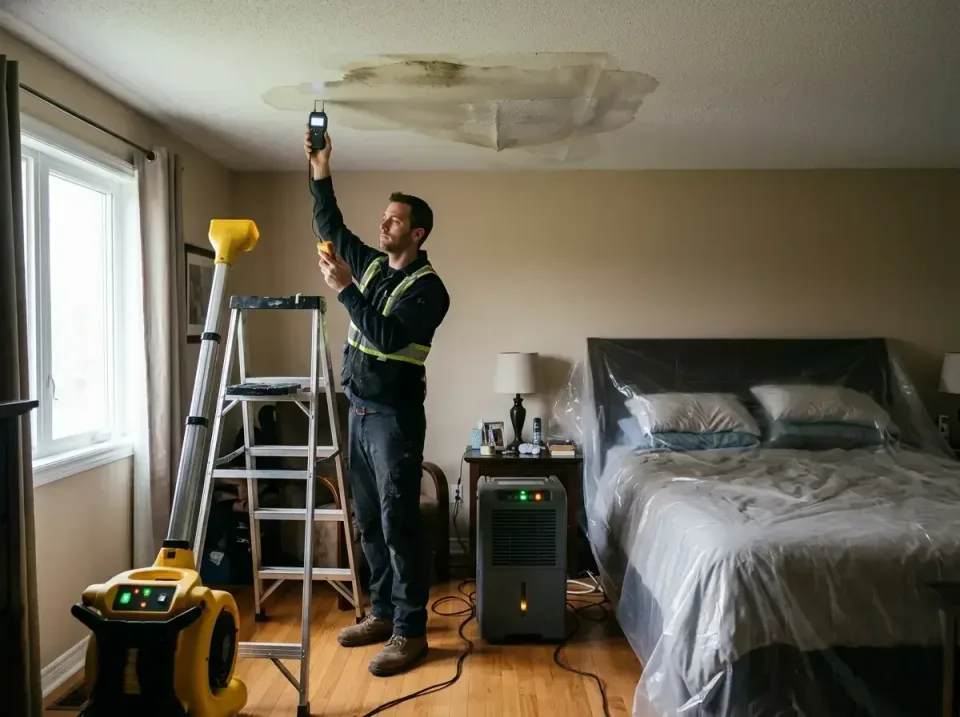
Homeowners and property managers book Long Beach ceiling drying for stains, leaks, and saturated gypsum board.
Homeowners and property managers book Long Beach air testing and HEPA scrubbing after flooding, odors, or suspected mold.
Homeowners, contractors, and property managers book Long Beach moisture mapping to locate hidden water and document drying needs.
Homeowners and property managers book Long Beach hardwood floor extraction and drying after leaks, floods, or saturated carpet.
Homeowners and property managers book Long Beach HEPA vacuuming and antimicrobial treatment after water damage or mold cleanup.
Homeowners and property managers book Long Beach odor removal, ozone treatment, and air cleaning after water damage.
Homeowners, contractors, and property managers book Long Beach wet vacuum extraction with air movers for saturated floors and contents.
Homeowners, contractors, and property managers book Long Beach contents drying and saturated material removal after water damage.
Storm damage water extraction for Long Beach homeowners, property managers, and contractors facing rain intrusion or floodwater.
Homeowners, property managers, and contractors receive organized claim records for water damage in Long Beach.
Homeowners, contractors, and property managers book Long Beach mold testing, air sampling, and controlled spore removal.
Homeowners, contractors, and property managers book Long Beach humidity monitoring and ventilation for damp, musty spaces.
Homeowners, contractors, and property managers book Long Beach drywall extraction to remove trapped moisture and dry wall cavities.
Homeowners and property managers book Long Beach crawl-space moisture control for damp ducts, odors, insulation, and hidden water damage.
Homeowners and property managers book Long Beach clean-water extraction for wet carpet, floors, drywall, and salvageable contents.
Commercial extraction and drying helps Long Beach property managers protect offices, retail spaces, and multifamily buildings after water damage.
Homeowners book Long Beach flood cleanup for water extraction, saturated material removal, and documented structural drying.
Homeowners, property managers, and contractors book Long Beach mold inspections and air testing after flooding or hidden moisture.
Select your region to see local emergency water extraction & 24/7 flood response providers and cities we cover.
We connect you with trusted local providers in your state or city. Call or email us today.