Trusted Flood Response Team in Long Beach, CA 90822
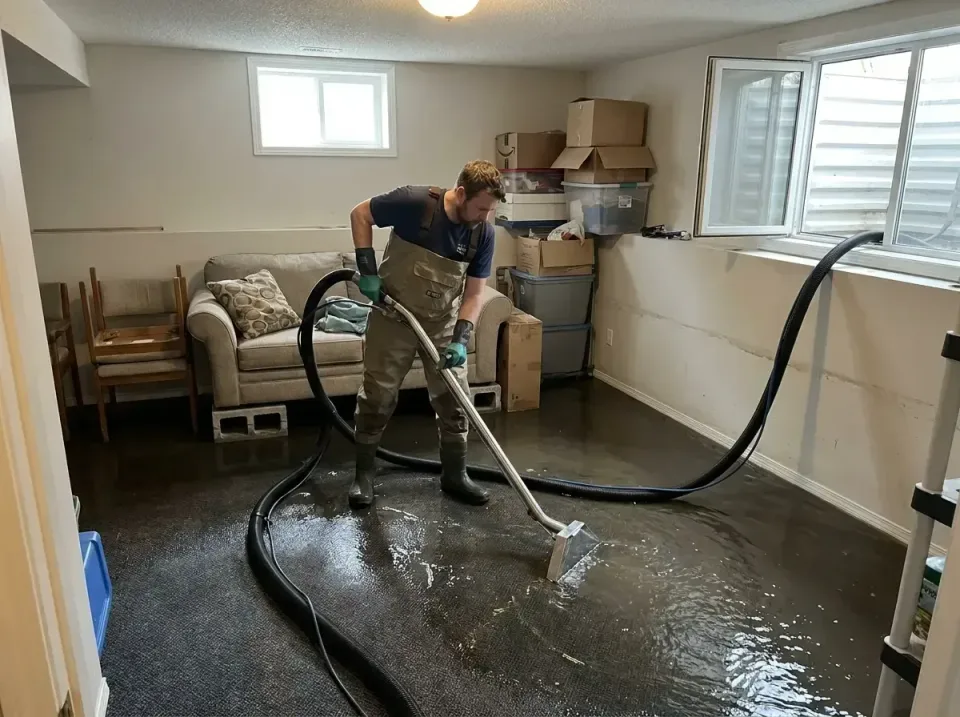
Local Hands Behind Long Beach Water Emergencies
A burst pipe, flooded basement, or sewage backup needs more than quick pumping. Water Damage Pros helps Long Beach property owners identify the water category, protect affected materials, and dry the structure before moisture migration creates larger problems.
Founder Daniel Ramirez started in property maintenance and learned water extraction on apartment, retail, and residential job sites across Long Beach. That work showed him where projects often fail: missed moisture beneath flooring, poor containment during demolition, and unclear updates for owners or adjusters.
Today, the company operates a 24/7 dispatch line for residential, commercial, storm, sewage, and basement emergencies. Crews use moisture mapping to document wet-area boundaries, then apply psychrometrics, or air-moisture measurement, during structural drying.
The equipment matches the job. An LGR dehumidifier can remove roughly 80–150 pints daily, while air movers circulate drying air. Water Damage Pros also coordinates contents removal, infrared checks, antimicrobial treatment, and insurance documentation.
Work follows the practical principles of ANSI/IICRC S500 and considers the four water-damage classes. Call (833) 710-2743 when you need a clear assessment and a fair, itemized path forward.
Daniel Ramirez Keeps Restoration Work Personal
Daniel Ramirez runs Water Damage Pros after learning water extraction through property maintenance work in Long Beach. He worked around apartments, retail spaces, and homes, where every job brought different access, materials, occupants, and cleanup risks.
Daniel noticed that small steps often decide the final result. A pin moisture meter can find wet gypsum board that looks dry, while a thermal imaging camera can reveal surface temperature patterns nearby. Moisture mapping then records the documented boundaries instead of relying on memory.
His crews handle clean-water extraction, gray-water work, black-water sewage cleanup, storm damage extraction, and structural drying. They also coordinate contents inventory, pack-out support, infrared checks, and insurance documentation for owners and property managers.
The team uses containment when demolition could spread dust or spores. For contaminated work, procedures reflect ANSI/IICRC S520, OSHA 29 CFR 1910.134, and NIOSH-approved N95 respirators. HEPA filtration captures 99.97% of particles at 0.3 microns.
Long Beach buildings can have tight access, occupied units, and limited equipment staging. Water Damage Pros plans hose routing, protects floors, checks dedicated circuits, and keeps exits clear. Call (833) 710-2743 to speak with the team about your property.
Warning Signs Long Beach Property Owners Should Not Ignore
Water damage often begins with a symptom that seems minor. These signs show why a documented inspection can cost less than repeated cleanup.
-
Musty odor after basement flooding: Trapped moisture may remain below flooring or inside wall cavities after visible water disappears.
-
Brown ceiling stains spreading outward: A continuing leak can move through gypsum board and insulation, raising the affected drying class.
-
Wet carpet padding beneath furniture: Padding can hold water near its saturation point while the carpet surface feels nearly dry.
-
Floorboards cupping after a pipe leak: Moisture migration beneath hardwood can distort boards before staining becomes obvious.
-
Standing water near electrical outlets: Leave the area and arrange an electrical safety check before anyone places equipment nearby.
Long Beach homes near the Los Cerritos area may also have crawl spaces, older flooring, or limited equipment access. Crews use a hygrometer to track relative humidity, then compare readings against an unaffected dry standard.
Professional drying differs from DIY fans. Fans circulate air, but an LGR dehumidifier removes moisture and supports controlled psychrometrics. Call Water Damage Pros at (833) 710-2743 for moisture mapping, extraction, or mold inspection and air testing.
Measured Drying From First Entry to Final Clearance
Water Damage Pros starts by stopping the source, checking electrical safety, and classifying the water as Category 1, 2, or
- The first 24 hours matter because delayed extraction gives moisture more time to enter flooring, drywall, and structural materials.
Crews document conditions with moisture mapping, a pin or pinless meter, and infrared thermography. A truck-mounted extractor suits large open areas, while portable equipment works better on stairs or in tight Long Beach homes.
Equipment is right-sized through psychrometric monitoring. Air movers provide circulation, while LGR dehumidifiers remove moisture. Drying commonly takes 3–5 days, depending on the materials, water volume, temperature, and daily readings.
Technicians place equipment in low-traffic ventilated areas and check dedicated circuits before deployment. Hoses cross walkways only with secure protection, and air movers stay clear of exits. Contents move to a dry, climate-controlled area when salvage is possible.
Work follows ANSI/IICRC S500, with containment and negative air used when demolition could spread dust. Local demolition and reconstruction may require building permits, and NFPA 70 requires evaluation of wet electrical systems. Water Damage Pros documents each stage before final clearance.
Long Beach Coverage With Regional Dispatch Support
Water Damage Pros provides Emergency Water Extraction & 24/7 Flood Response across Long Beach and surrounding service markets. Local coverage helps crews plan apartment access, occupied commercial spaces, narrow driveways, and equipment staging before arrival.
The primary service area includes Long Beach properties in ZIP codes 90822, 90804, 90805, 90806, and
90807. Crews support residential property management, multifamily apartment communities, retail storefronts, commercial office buildings, and other occupied sites.
The team handles emergency water extraction, basement and crawl-space drying, hardwood floor drying, storm damage extraction, sewage cleanup, and structural drying. A typical LGR unit removes 80–150 pints daily, while axial air movers may move 1,000–3,000 CFM. Actual placement depends on access, power, materials, and the drying class.
Local code familiarity matters during demolition. Building permits can apply to reconstruction, NFPA 70 guides wet electrical evaluation, and state solid-waste rules can affect contaminated debris disposal. Crews also protect ADA access with a 36-inch clear route when possible.
Visit Water Damage Pros or review the Service Areas page for broader coverage. California response details are available through Emergency Water Extraction & 24/7 Flood Response in California.
Start With a Clear Property Assessment
A spreading ceiling stain, wet padding, sewage backup, or musty crawl-space odor can hide moisture beyond the visible area. Call Water Damage Pros at (833) 710-2743 or email contact@waterdamagelongbeach.net to discuss the source, water category, access limits, and next practical step. Our Long Beach team can review emergency extraction, moisture mapping, drying equipment, contents handling, and insurance documentation without pressuring you into unnecessary work.
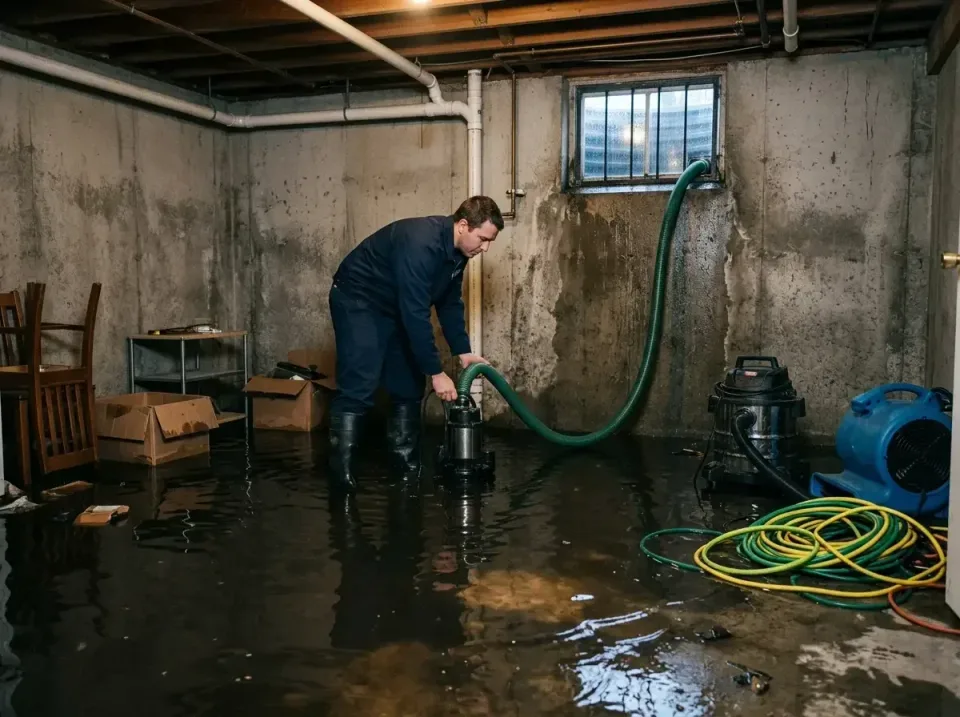
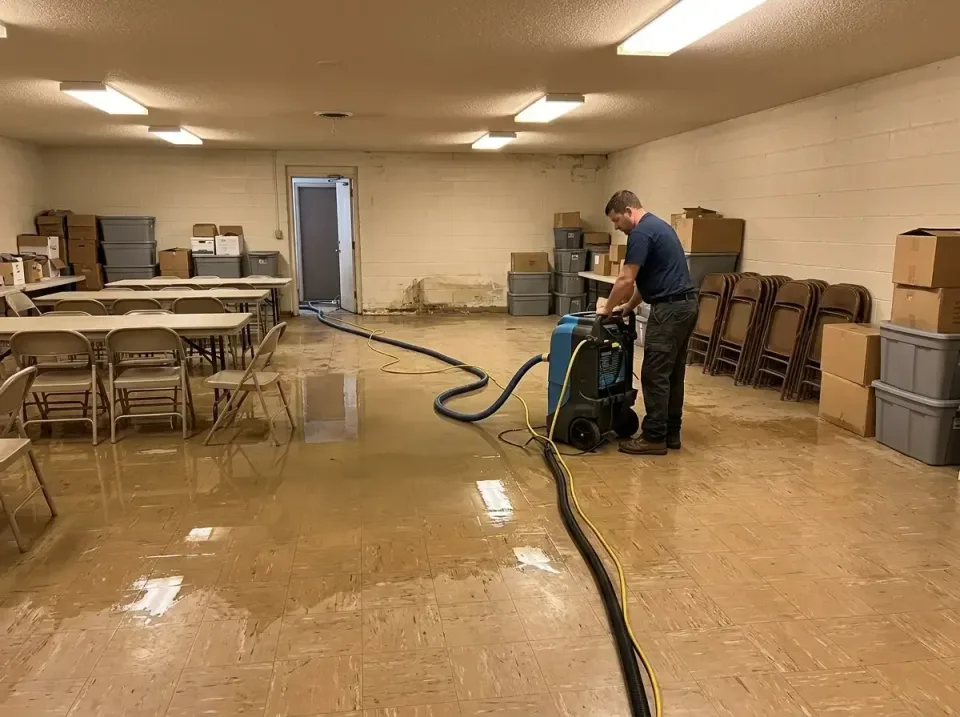
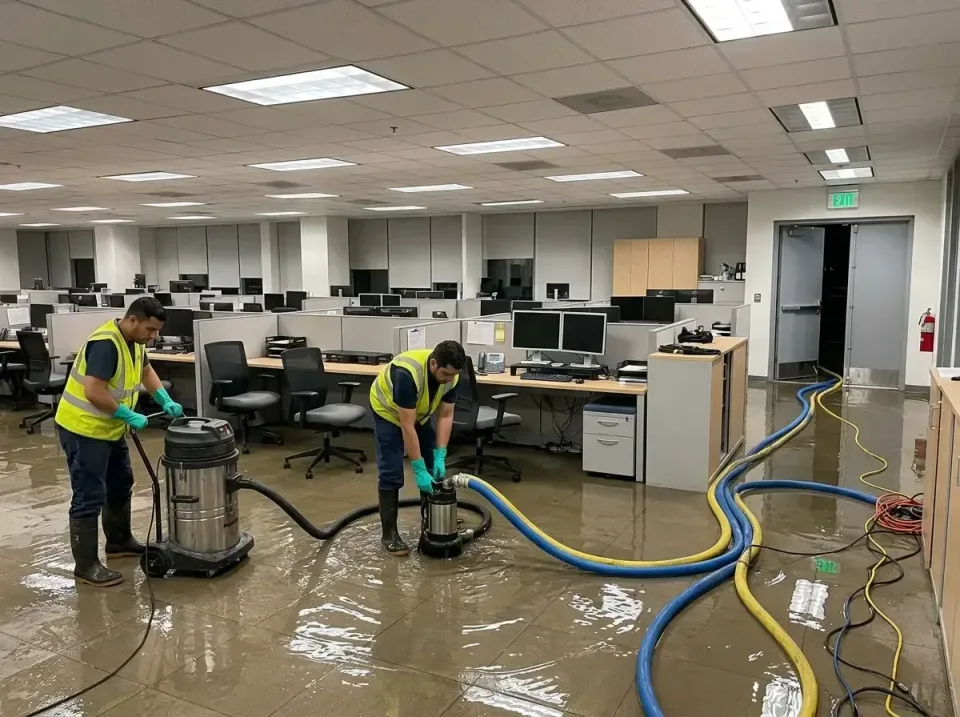
Recent Projects Gallery
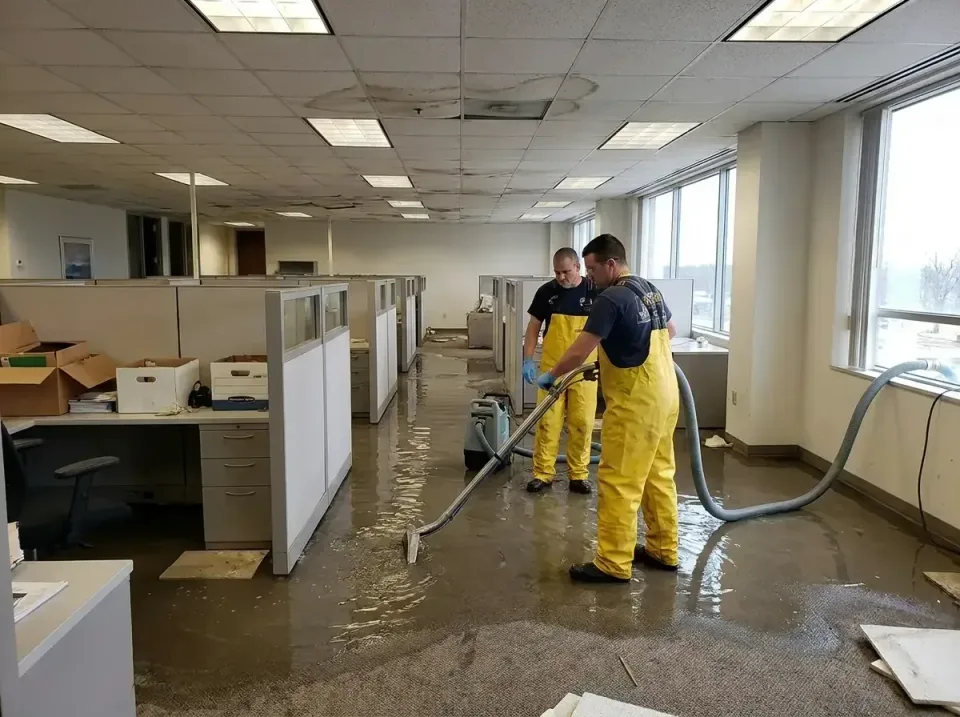
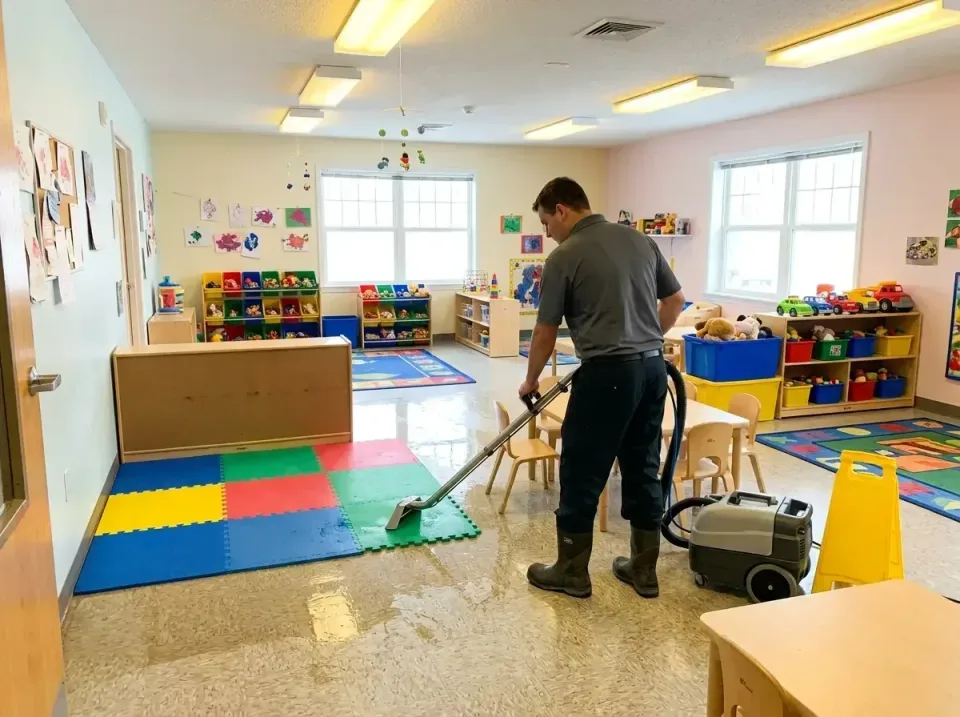
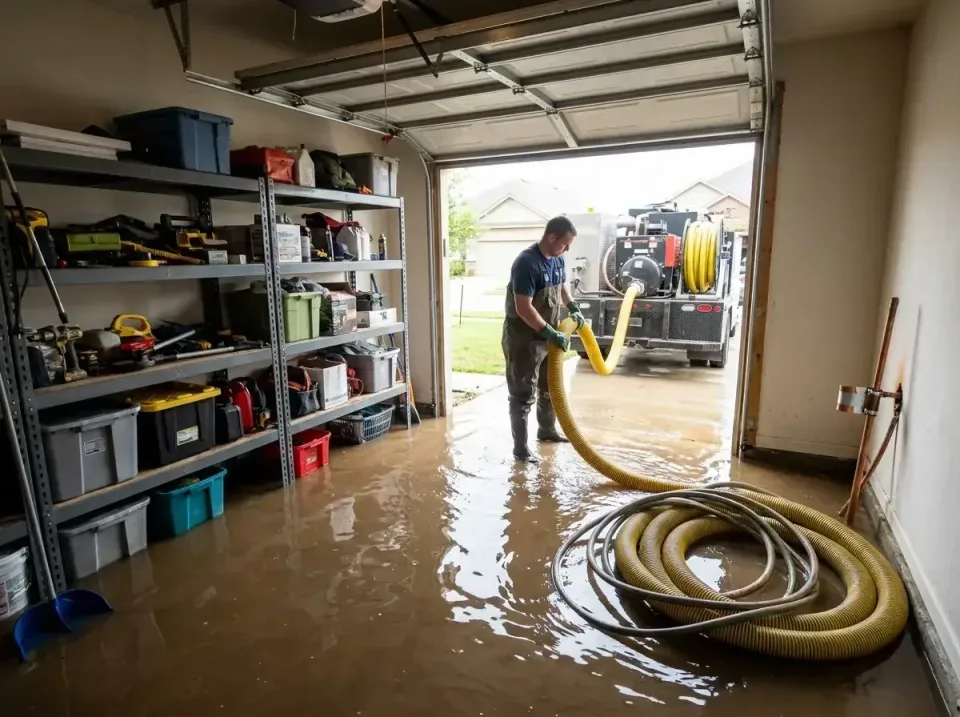
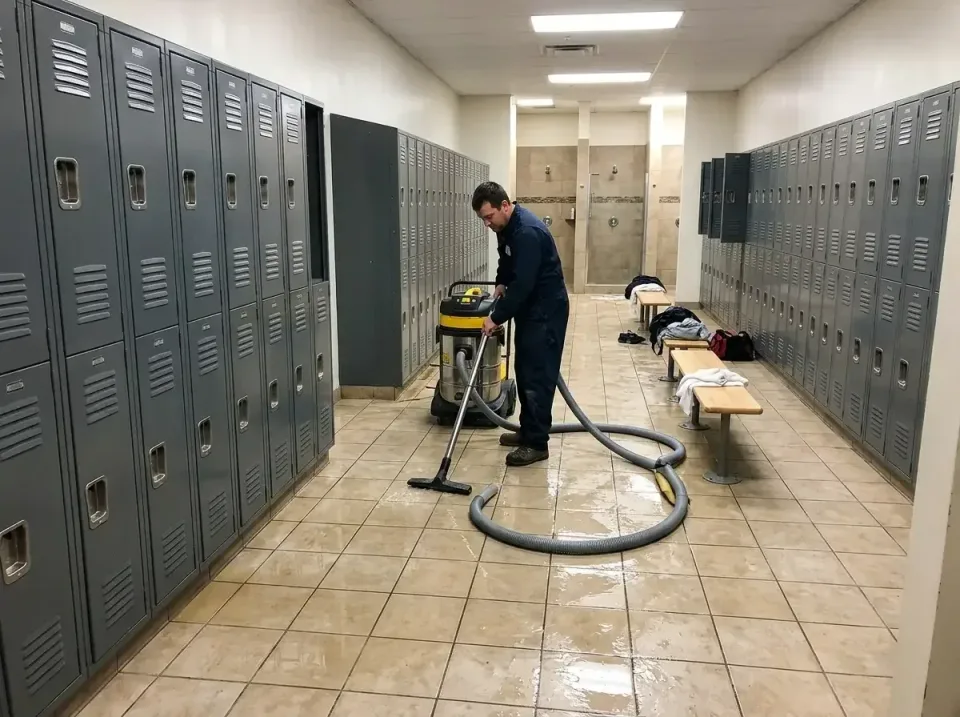
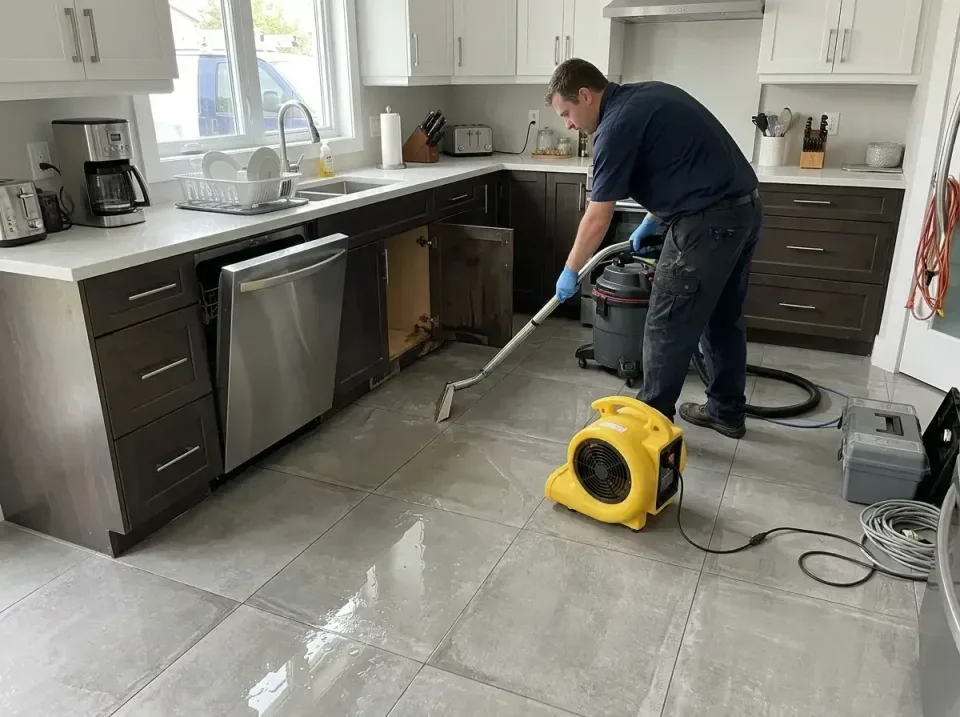
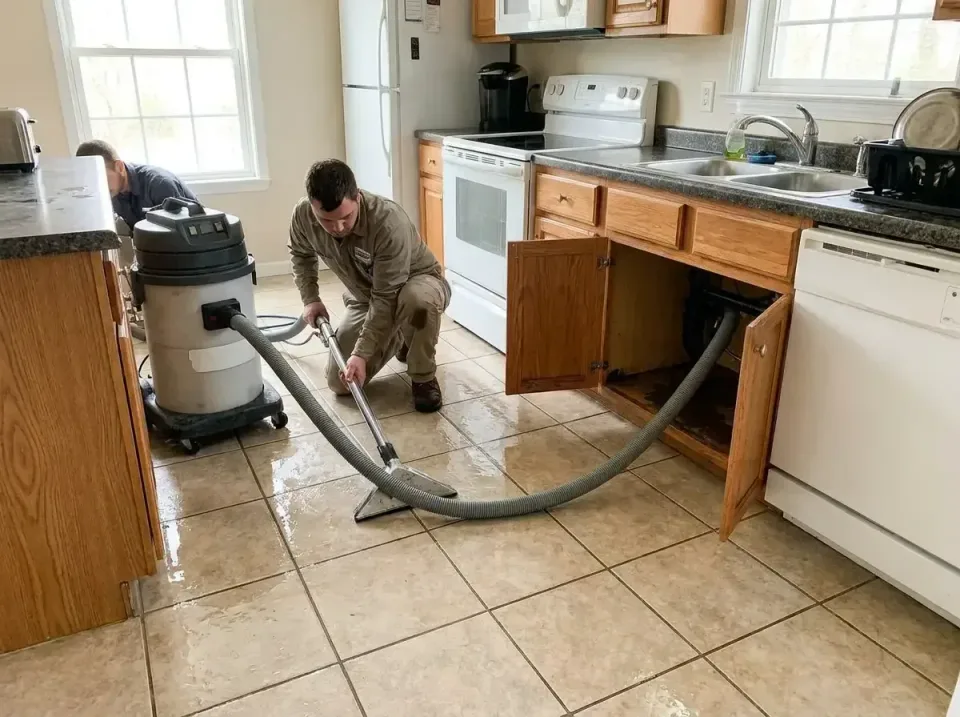
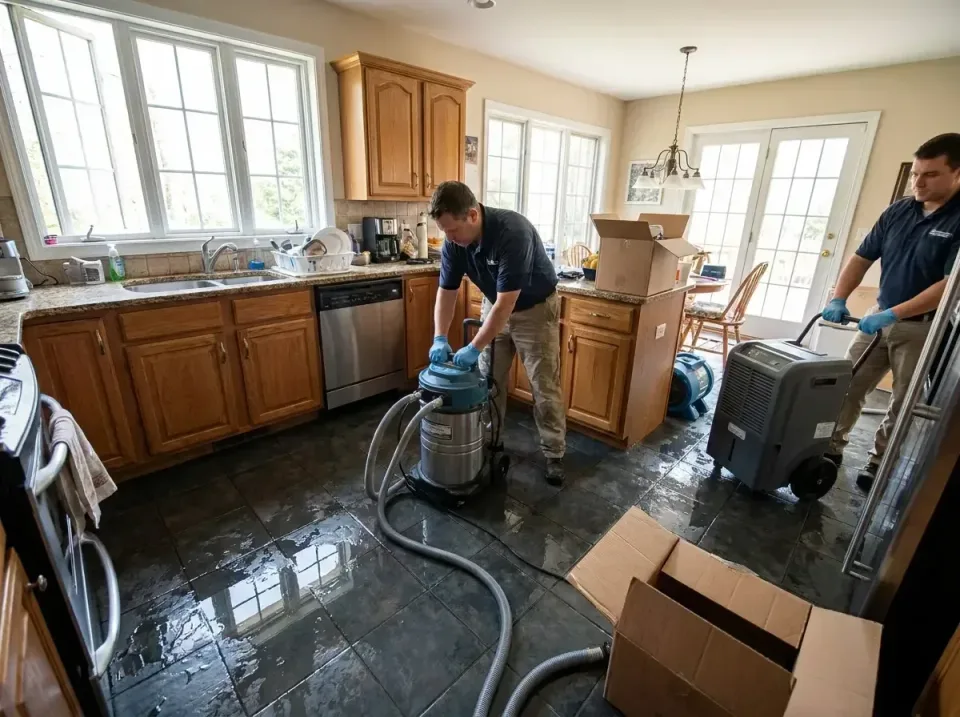
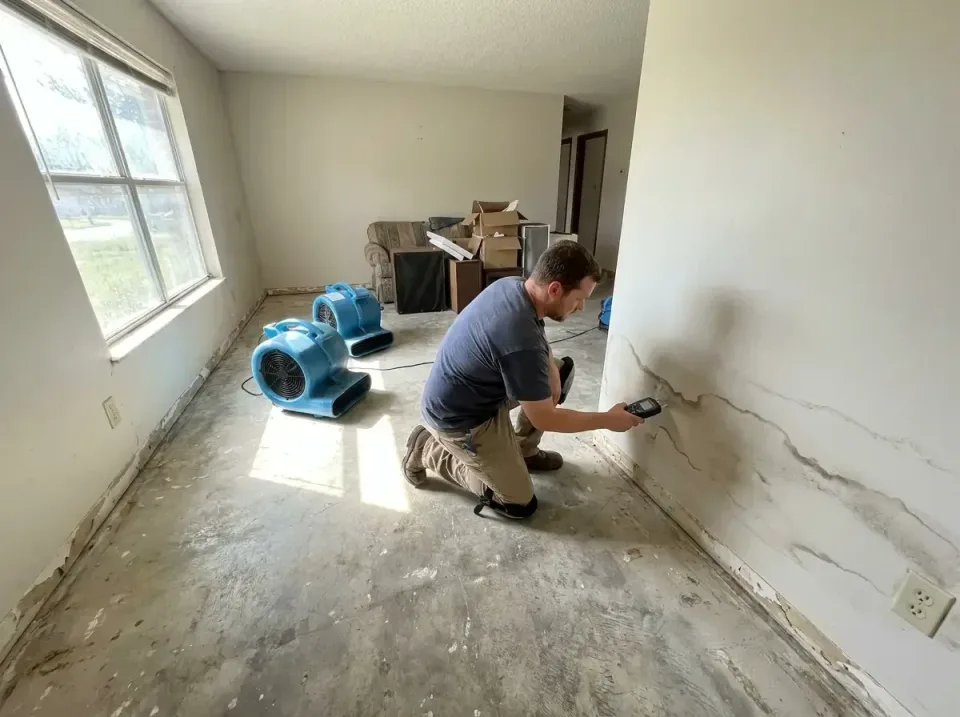
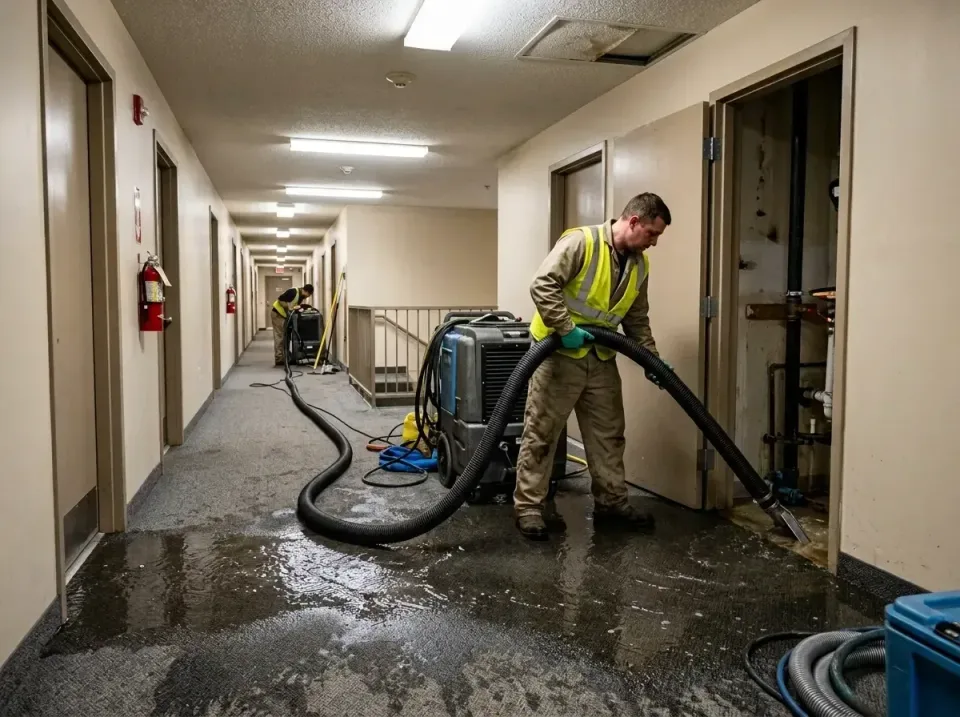
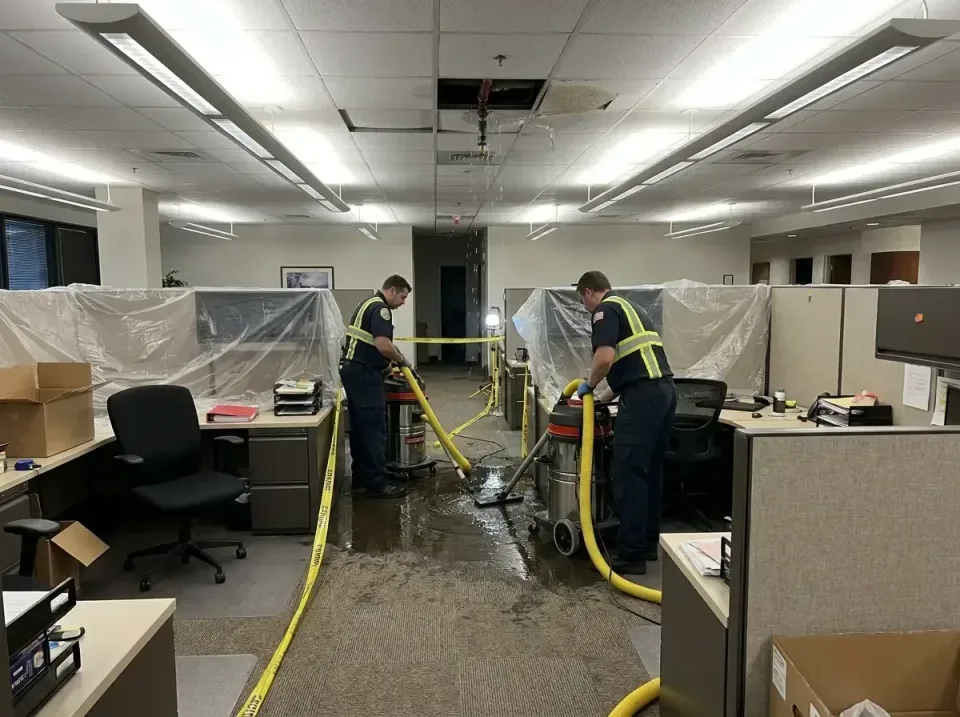
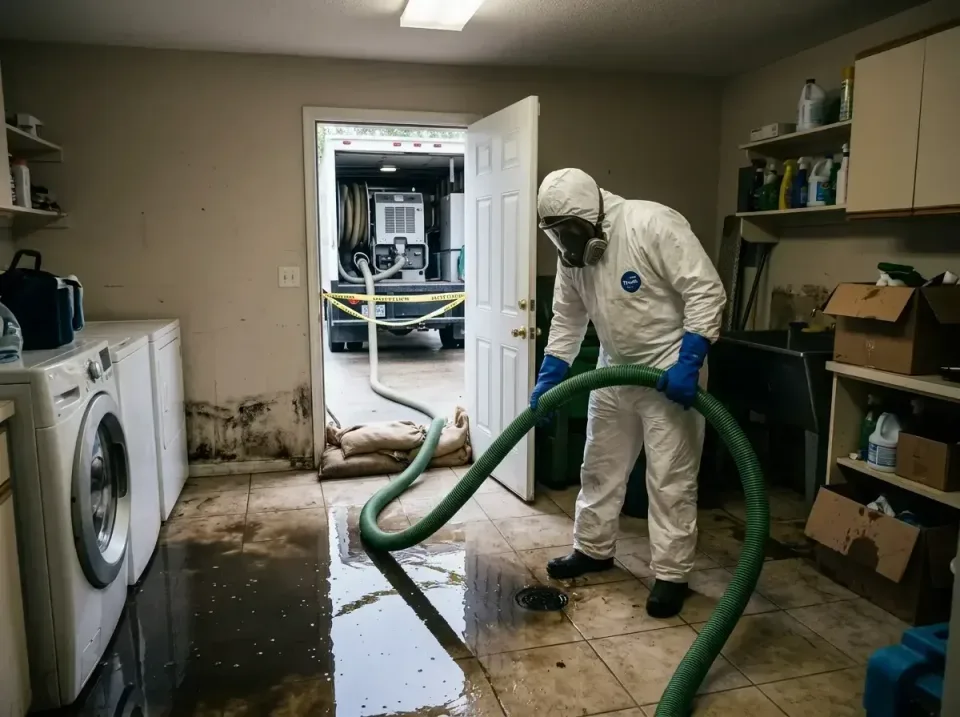
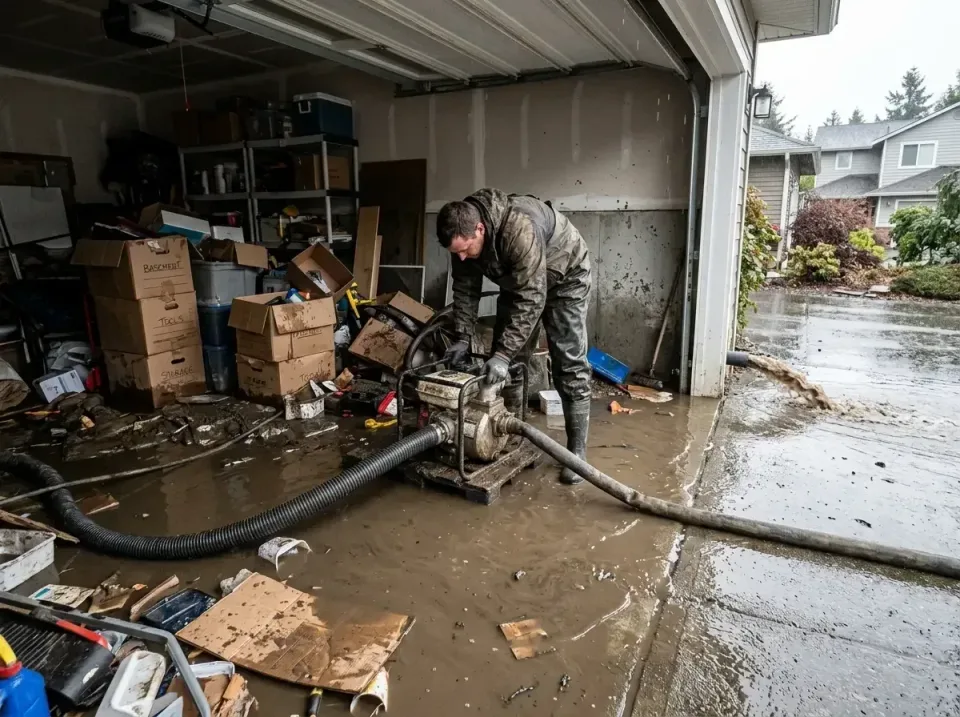
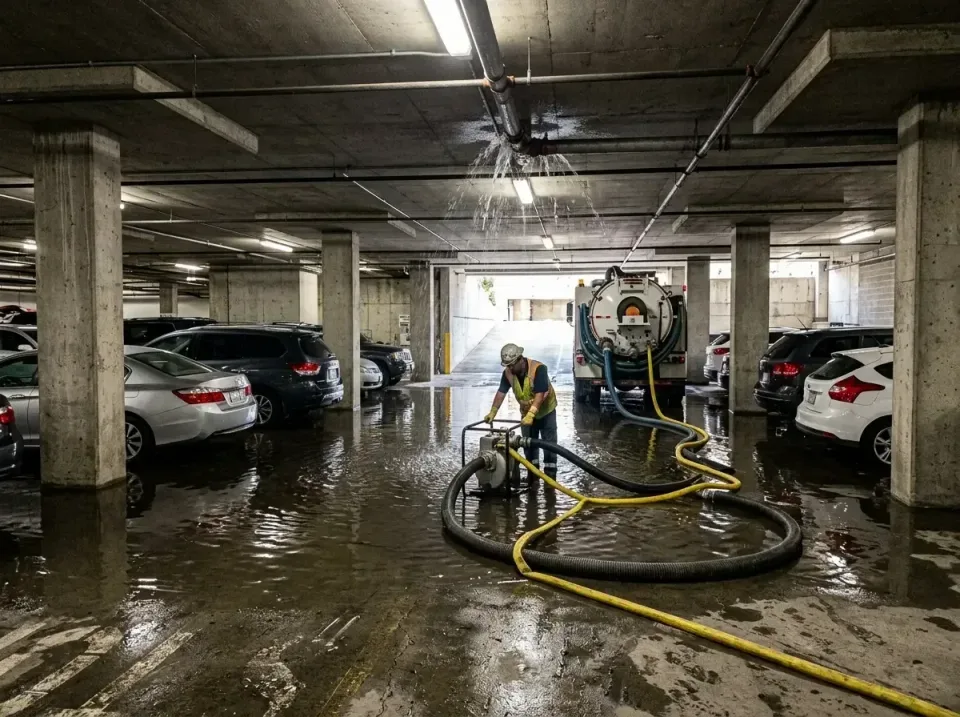
Recent emergency water extraction & 24/7 flood response project photos.
Need Nationwide Emergency Water Extraction & 24/7 Flood Response?
We connect you with trusted local providers in your state or city. Call or email us today.