Basement Water Extraction & Crawl Space Drying
Homeowners and property managers book Long Beach basement extraction and crawl space drying after leaks, flooding, or storm water intrusion.
Emergency Water Extraction & 24/7 Flood Response
Musty odors after basement flooding or mold spots returning can signal trapped moisture behind walls, beneath carpet, or inside crawl spaces. Water Damage Pros provides mold inspection and air testing in Long Beach, including neighborhoods near Belmont Shore and the Los Angeles River. We isolate the affected area, document wet boundaries, and explain a fair quote before testing or cleanup begins.
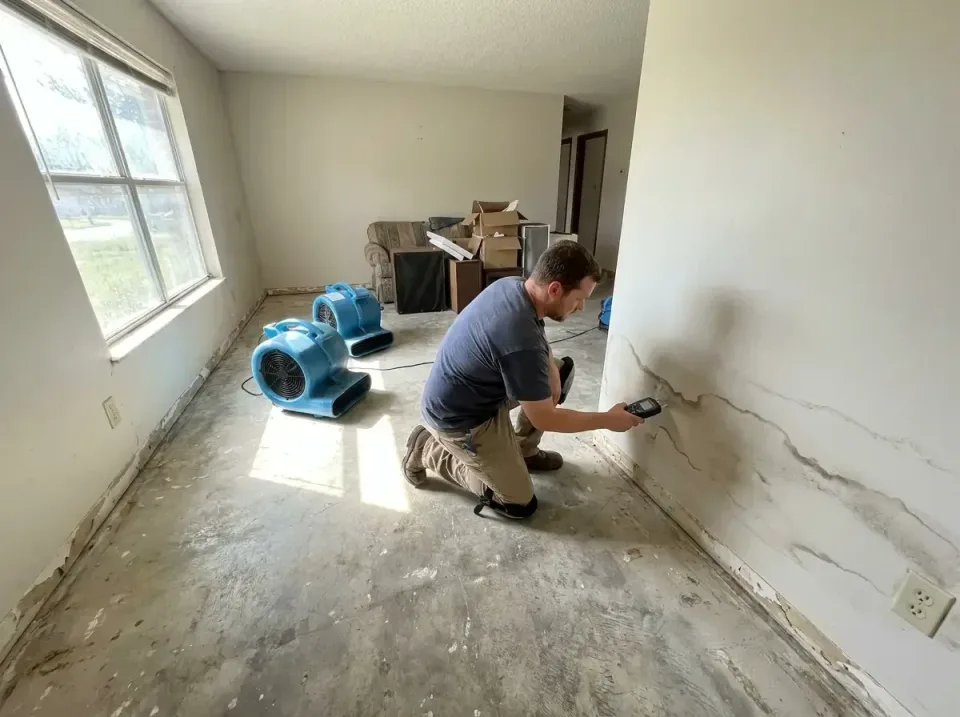
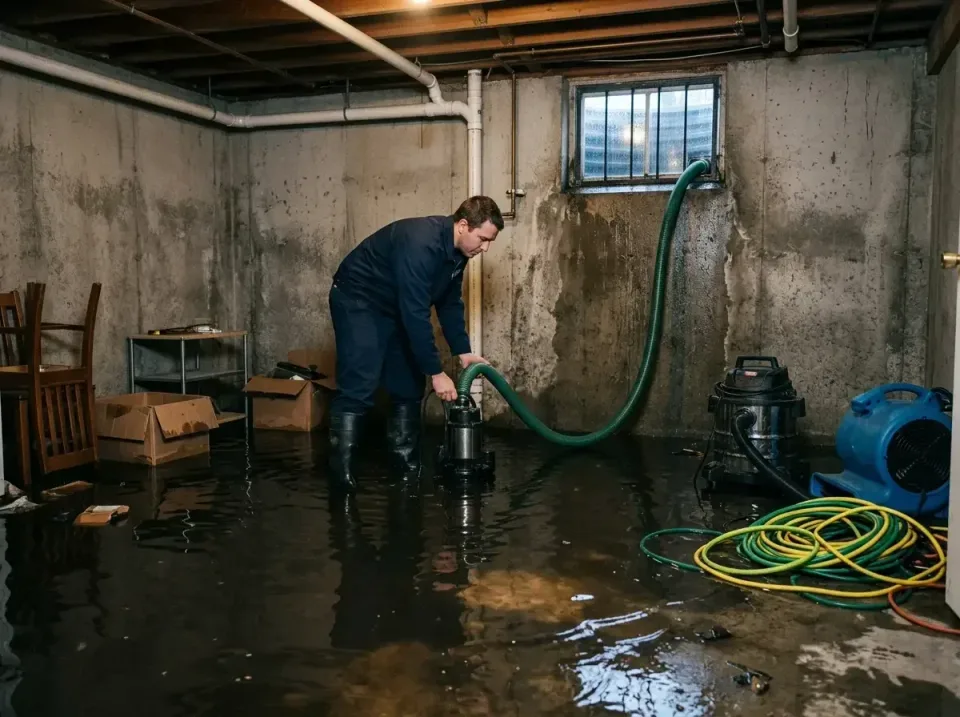
Musty odors after basement flooding often point to moisture trapped below carpet, behind gypsum board, or beneath flooring. Post-flood mold inspection and air testing helps identify affected areas before cleanup spreads dust.
Water Damage Pros uses moisture mapping to document wet-area boundaries and indoor air-quality testing to compare affected rooms with unaffected spaces. We review the water category, drying class, and visible material damage before recommending the next step.
Our Long Beach team follows the practical safeguards in ANSI/IICRC S520, the mold remediation standard. An isolated containment area can limit spore movement during inspection, while clear documentation supports property managers, homeowners, and insurance files.
A pin or pinless moisture meter checks materials directly. Thermal imaging can reveal surface temperature patterns, but readings still require confirmation at the material. Call (833) 710-2743 for a fair quote based on access, affected rooms, and testing needs.
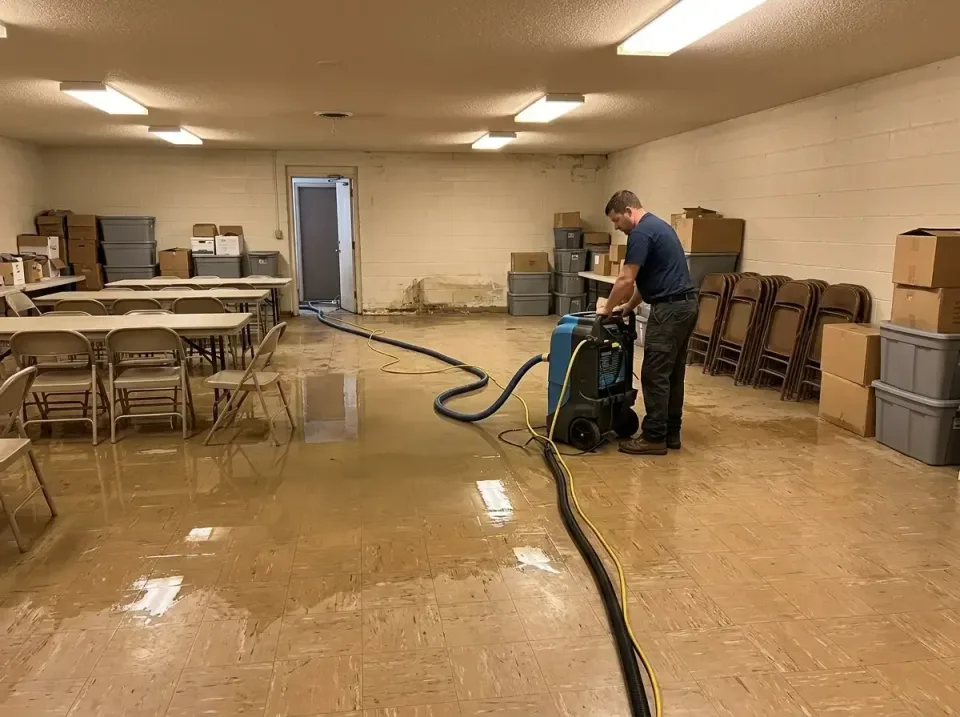
A musty smell, returning mold, or damp padding deserves inspection because moisture migration can continue behind finished surfaces. In Long Beach homes near the Los Angeles River, hidden dampness often outlasts visible standing water.
Musty basement odor: It may signal concealed moisture or microbial growth. Water Damage Pros uses moisture mapping and indoor air-quality testing to locate the source.
Mold spots returning: Repeated growth usually means the original moisture source or saturation point remains. We compare affected materials with a dry standard.
Brown ceiling stains spreading: Expanding stains can indicate ongoing moisture migration. We inspect gypsum board, ceiling cavities, and nearby insulation before recommending work.
Wet carpet padding: Padding can retain water after surface carpet feels dry. We assess the drying class and use a psychrometric chart to judge drying conditions.
Black-water bathroom backup: This is a higher water category than clean water and requires controlled handling. ANSI/IICRC S520 and Water Damage Pros guide containment and documentation.
Cupped floorboards or damp ducts: Wood and crawl-space materials respond differently to humidity. We record readings before choosing extraction, drying, or testing.
If odors, returning spots, or wet padding remain, contact Water Damage Pros before concealed moisture damages more materials.
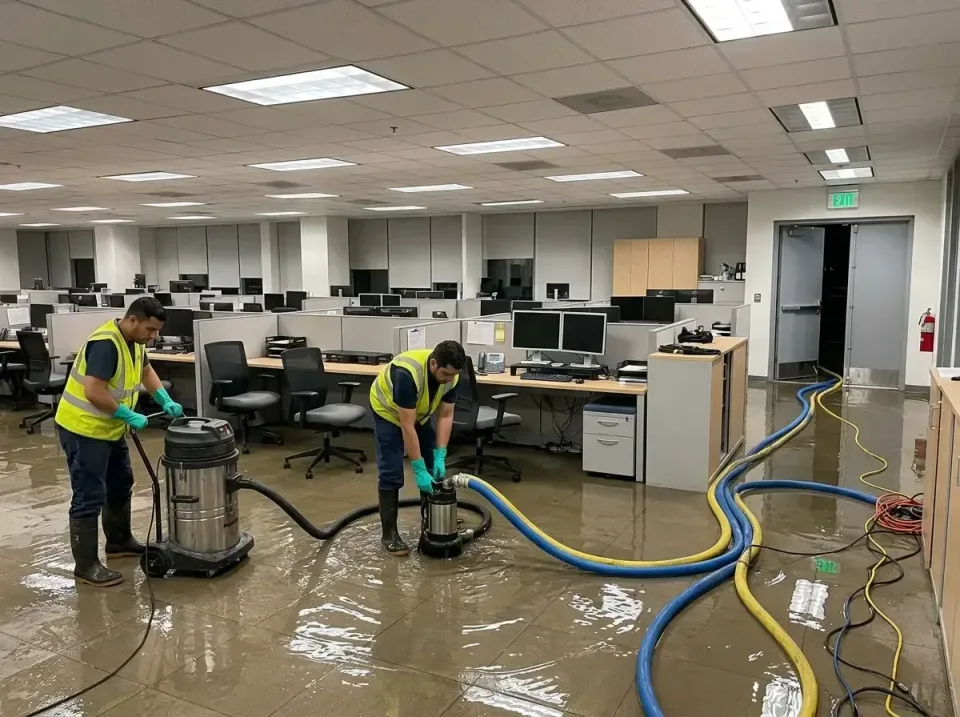
A post-flood inspection begins with the source, affected materials, and contamination level, not a quick surface glance. Water Damage Pros records the property history and prepares a clear scope for Long Beach homeowners and managers.
Site review: Share leak details, prior cleanup, and rooms with odors or stains. We check electrical safety before placing equipment and keep pathways clear.
Moisture survey: A thermal camera shows surface patterns, while pin readings confirm material conditions. Moisture mapping records boundaries, and daily readings support the drying record.
Air and containment: We establish an isolated work area when needed. A HEPA air scrubber can filter 500–2,000 CFM, while negative air controls exhaust during limited demolition.
Report and follow-up: Findings explain testing, cleaning, or structural drying needs. Drying commonly takes 3–5 days, depending on materials, water category, access, and equipment placement.
Equipment stays in low-traffic ventilated areas, with hoses secured across walkways. Contents are confirmed before porous-material disposal, and final clearance follows target dryness.
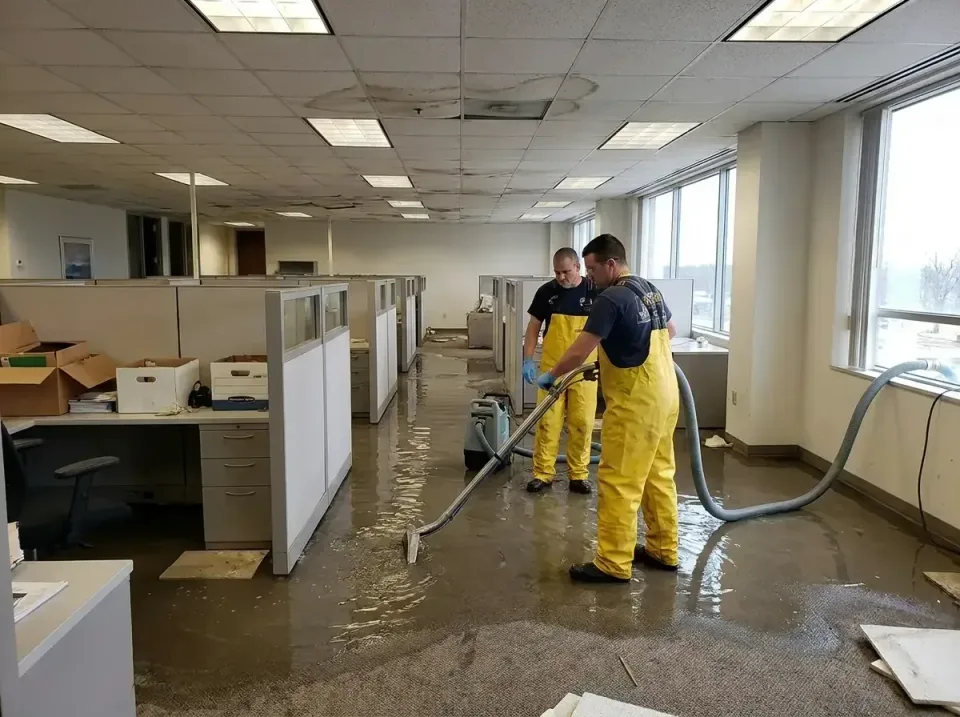
Mold returning after a quick wipe-down usually means the moisture source or affected material was never measured. In Belmont Shore homes and multifamily buildings, Water Damage Pros connects inspection findings with practical drying decisions.
Documented air movement: We distinguish circulation from moisture removal. An air mover changes room air, while a dehumidifier lowers moisture; confusing them can extend drying.
Right-sized equipment: XPOWER air scrubbers and B-Air restoration air movers suit different room conditions. Air movers may provide 800–2,400 CFM, depending on model and placement.
Contained work: Negative air provides controlled exhaust during dusty work. Six-mil containment can limit spread, while HEPA filtration captures 99.97% of particles at 0.3 microns.
Recognized guidance: We align field decisions with ANSI/IICRC S520 and EPA Mold Remediation in Schools and Commercial Buildings. Indoor Air Quality Association guidance also supports careful sampling decisions.
Clear scope: We separate inspection, air testing, drying, and material removal. That itemized approach helps avoid paying for equipment or demolition the readings do not support.
Call (833) 710-2743 to discuss the property and request a grounded estimate.
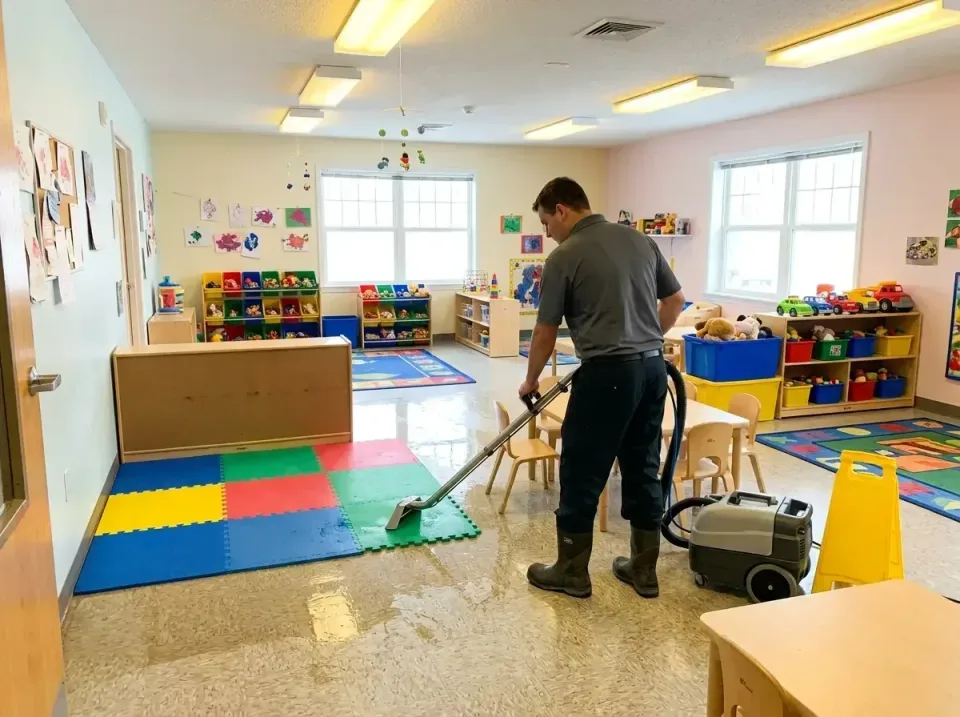
A fair inspection quote starts with the rooms affected, material access, water category, and drying class. A small visible patch needs a different scope than a saturated crawl space or whole-home event.
Costs typically depend on sampling needs, concealed access, contamination level, demolition, and equipment days. Basement extraction commonly ranges from $1,000–$4,000, while crawl-space drying commonly ranges from $1,500–$5,000; those figures describe related recovery work, not every inspection.
Psychrometrics measures air moisture and helps determine whether drying conditions are improving. An air mover is a high-velocity drying fan; restoration crews may use B-Air restoration air movers or XPOWER air scrubbers and air movers according to site conditions. Air changes describe the room-air replacement rate, while negative air uses controlled exhaust airflow to help manage contaminated areas.
Water Damage Pros may recommend antimicrobial treatment when materials require microbial-growth control. We document the water category before choosing clean-water handling or black-water procedures.
Long Beach demolition or reconstruction may require a building permit. Wet electrical systems also require evaluation under NFPA 70, and OSHA 29 CFR 1910.134 covers respirator programs and fit testing.
Before calling, photograph stains and note rooms with odors. Do not disturb suspicious materials; request an itemized quote at (833) 710-2743.
Brown ceiling stains spreading outward, wet carpet padding, or mold spots returning after cleanup calls for measured inspection rather than another surface treatment. Water Damage Pros checks moisture migration, indoor air quality, and material conditions before recommending testing, drying, or removal.
The first 24 hours are a priority extraction window, but later inspections still benefit from documented readings. Class 4 saturation can involve hardwood, plaster, or concrete, while antimicrobial treatment and HEPA vacuuming may suit different surfaces. Drying often takes 3–5 days, depending on conditions. Call Water Damage Pros at (833) 710-2743 or request a fair, itemized quote for your Long Beach property.
Browse all nationwide service options and choose the right fit for your project.
Homeowners and property managers book Long Beach basement extraction and crawl space drying after leaks, flooding, or storm water intrusion.
Homeowners, contractors, and property managers book Long Beach structural drying for wet materials, humidity control, and dehumidification.
Homeowners and property managers book Long Beach mold remediation for contained spore removal, HEPA cleaning, and moisture control.
Homeowners and property managers book Long Beach sewage cleanup for contaminated water, debris, odors, and saturated materials.
Homeowners, property managers, and contractors book Long Beach carpet extraction for wet padding, water recovery, and controlled drying.
Homeowners and property managers book Long Beach gray water extraction for contaminated water, wet carpet, and moisture-damaged materials.
Homeowners and property managers book Long Beach ceiling drying for stains, leaks, and saturated gypsum board.
Homeowners and property managers book Long Beach air testing and HEPA scrubbing after flooding, odors, or suspected mold.
Homeowners, contractors, and property managers book Long Beach moisture mapping to locate hidden water and document drying needs.
Homeowners and property managers book Long Beach hardwood floor extraction and drying after leaks, floods, or saturated carpet.
Homeowners and property managers book Long Beach HEPA vacuuming and antimicrobial treatment after water damage or mold cleanup.
Homeowners and property managers book Long Beach odor removal, ozone treatment, and air cleaning after water damage.
Homeowners, contractors, and property managers book Long Beach wet vacuum extraction with air movers for saturated floors and contents.
Homeowners, contractors, and property managers book Long Beach contents drying and saturated material removal after water damage.
Storm damage water extraction for Long Beach homeowners, property managers, and contractors facing rain intrusion or floodwater.
Homeowners, property managers, and contractors receive organized claim records for water damage in Long Beach.
Homeowners, contractors, and property managers book Long Beach mold testing, air sampling, and controlled spore removal.
Homeowners, contractors, and property managers book Long Beach humidity monitoring and ventilation for damp, musty spaces.
Homeowners, contractors, and property managers book Long Beach drywall extraction to remove trapped moisture and dry wall cavities.
Homeowners and property managers book Long Beach crawl-space moisture control for damp ducts, odors, insulation, and hidden water damage.
Homeowners and property managers book Long Beach clean-water extraction for wet carpet, floors, drywall, and salvageable contents.
Commercial extraction and drying helps Long Beach property managers protect offices, retail spaces, and multifamily buildings after water damage.
Homeowners book Long Beach flood cleanup for water extraction, saturated material removal, and documented structural drying.
United States Environmental Protection Ag…
Building permits: local jurisdictions regulate demolition and reconstruction Providers follow United States Environmental Protection Agency requirements where…
Professional-Grade Equipment
IICRC S500: four water-damage classes
Upfront Quote Pricing
Basement extraction: $1,000–$4,000 — volume, depth, drying duration Final quotes vary by scope, materials, access, and drying conditions.
Odor Control
Musty odor after basement flooding We help Emergency Water Extraction & 24/7 Flood Response customers avoid this on job sites and at events.
Select your region to see local emergency water extraction & 24/7 flood response providers and cities we cover.
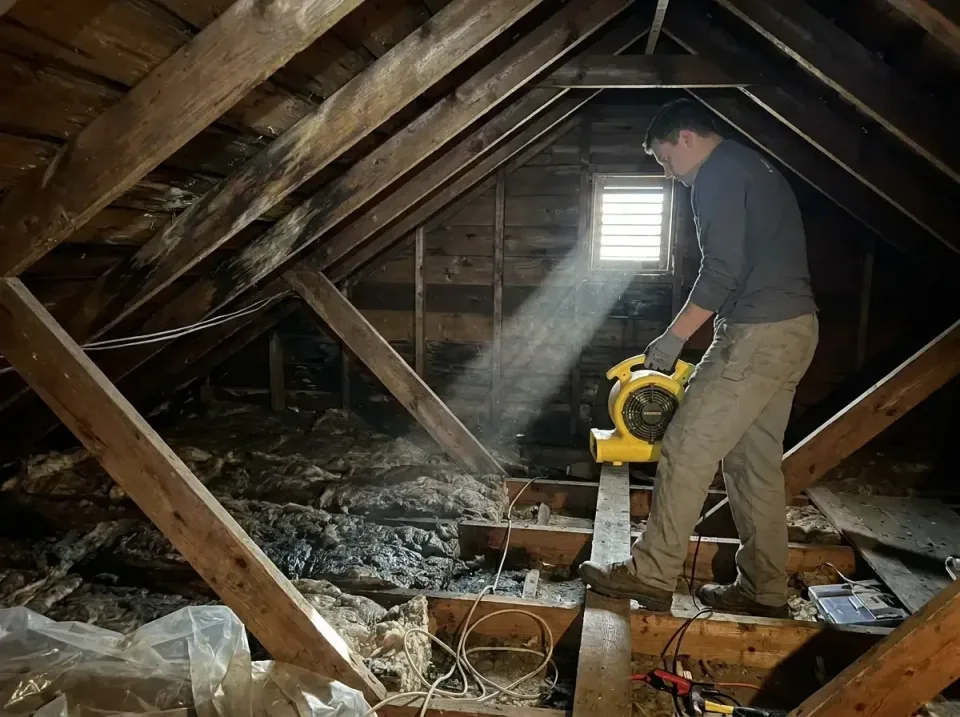
Recent emergency water extraction & 24/7 flood response project photos.
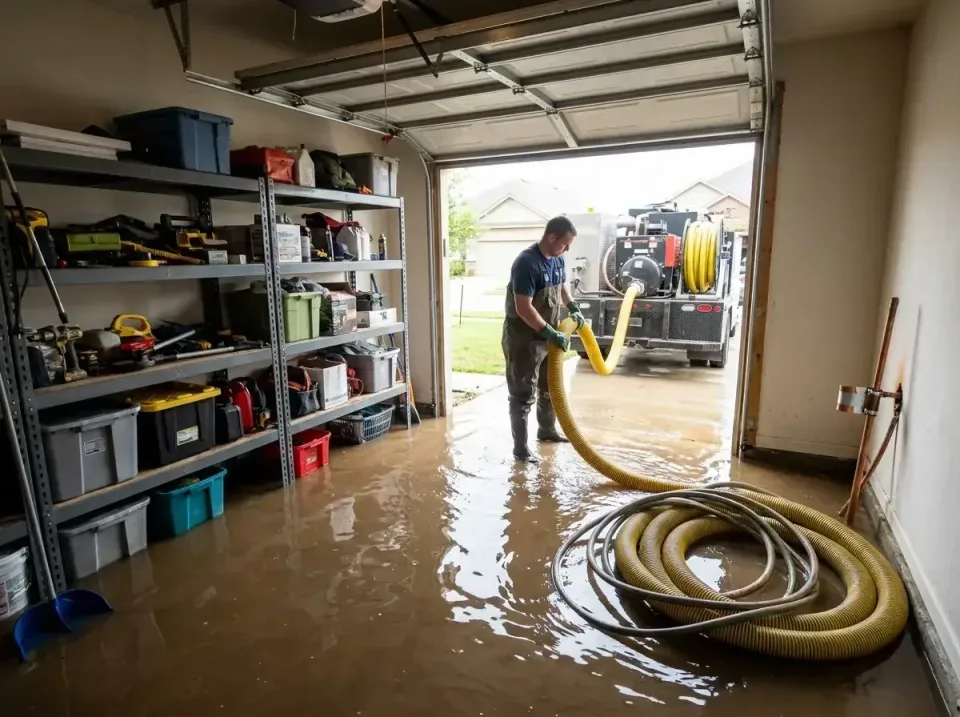
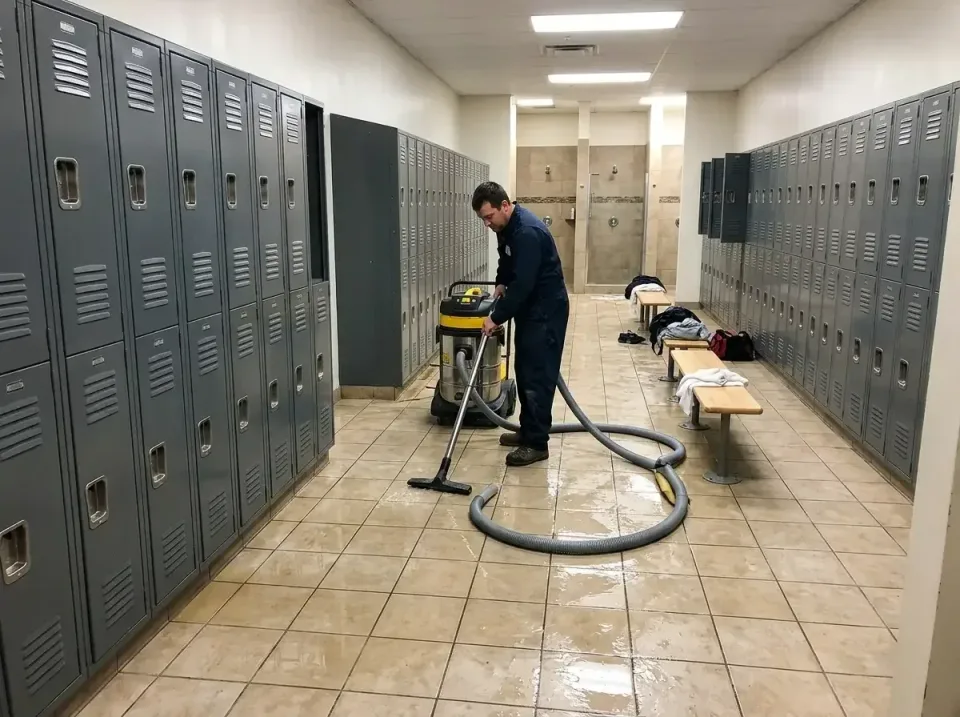
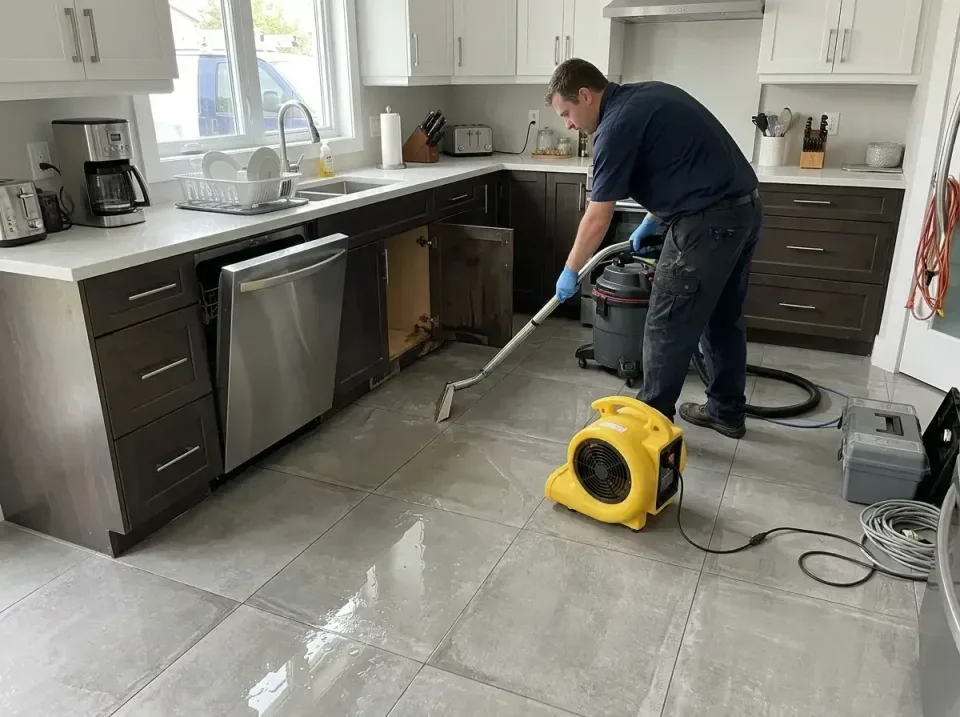
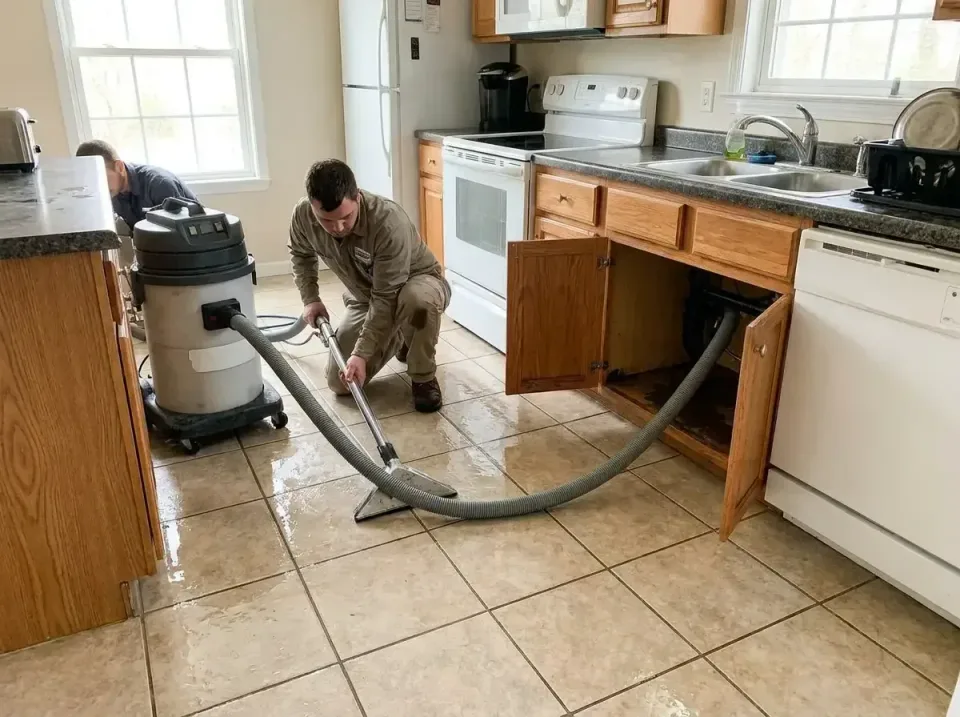
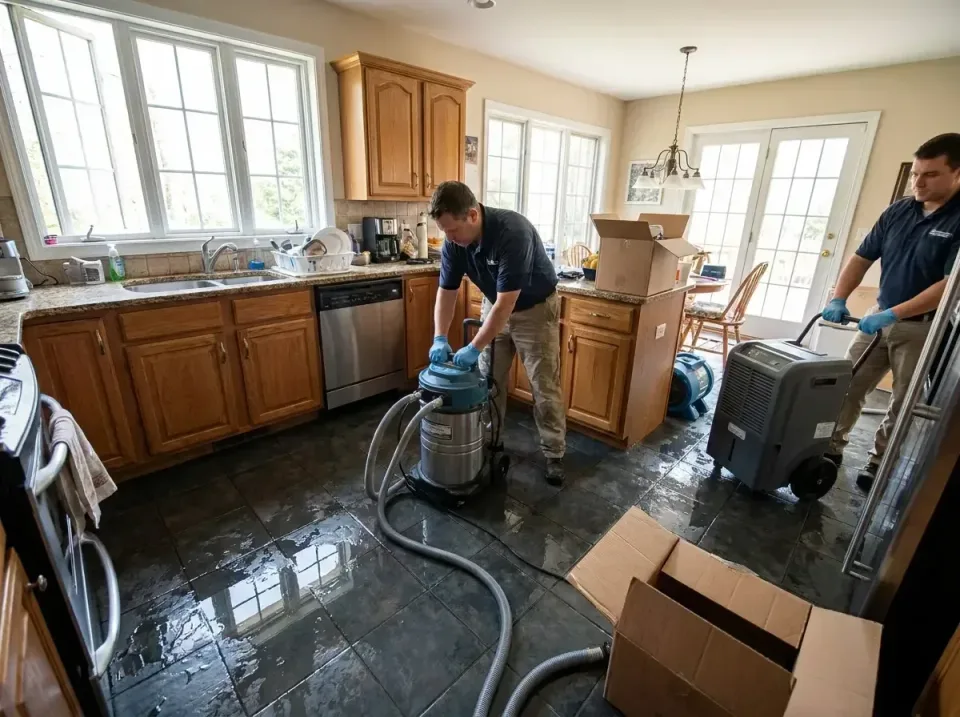
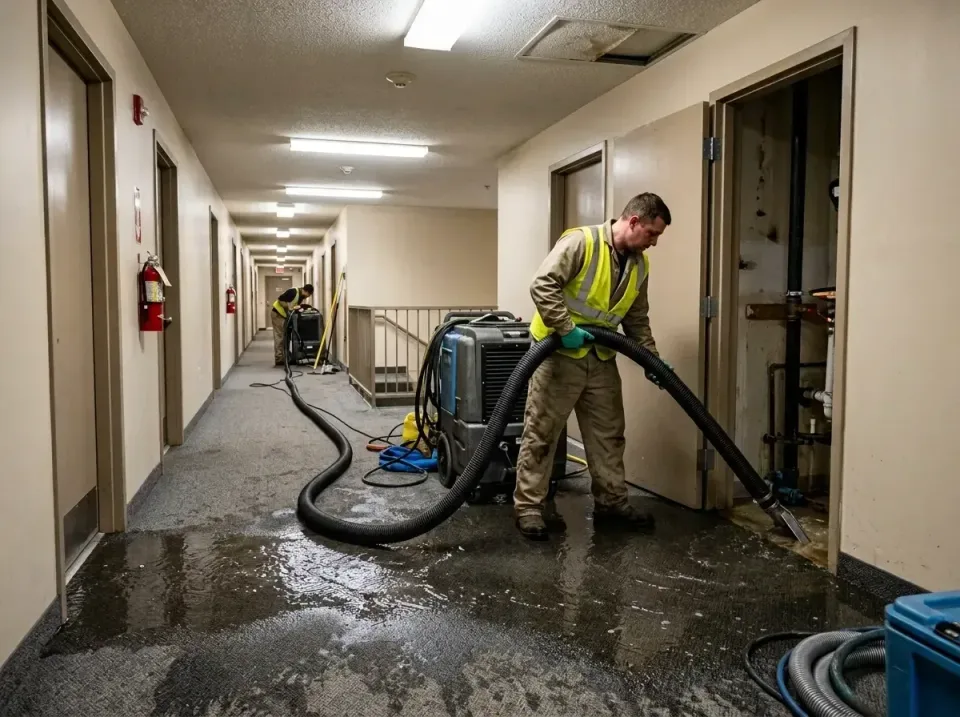
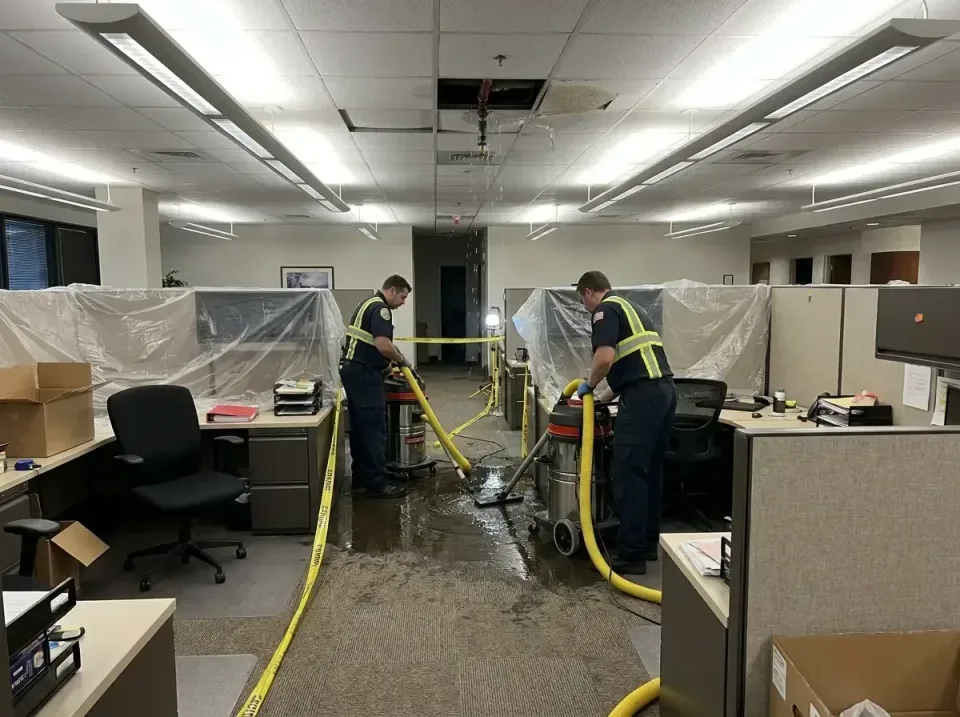
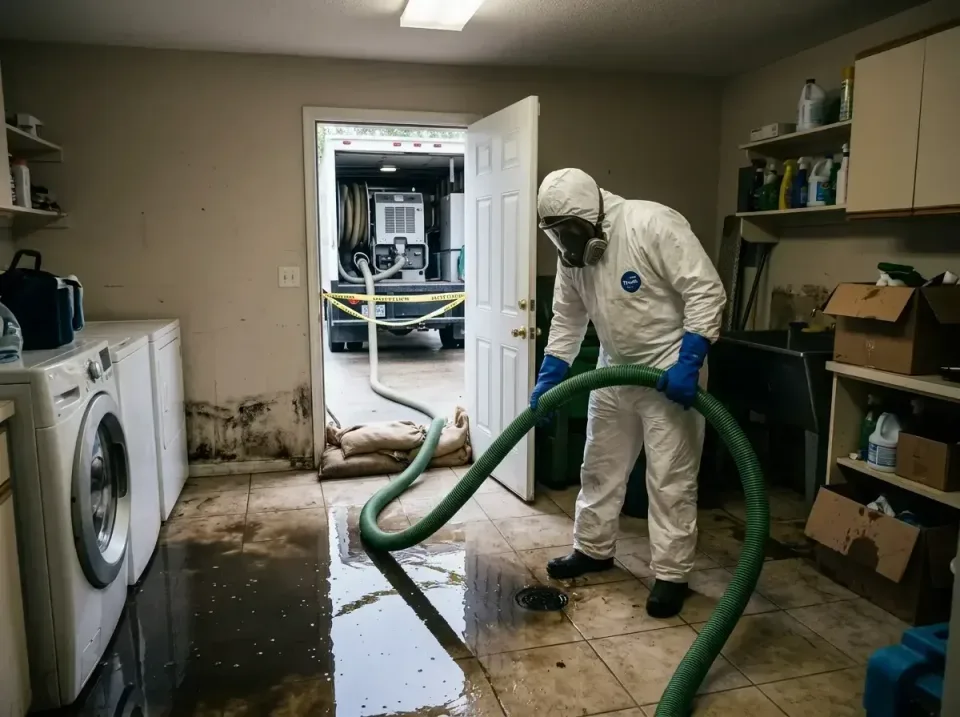
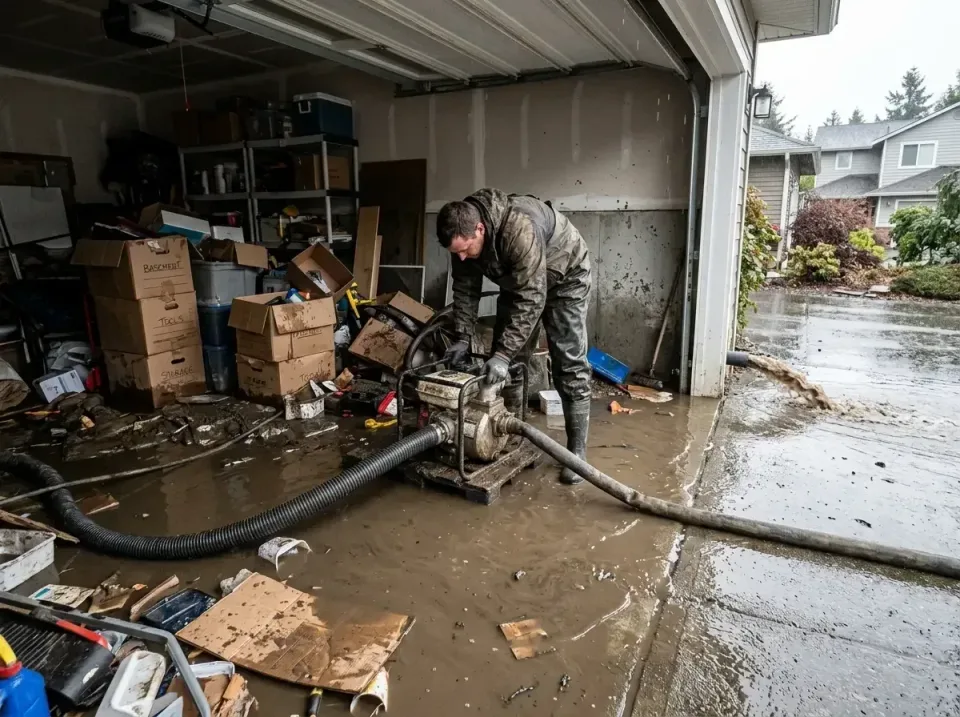
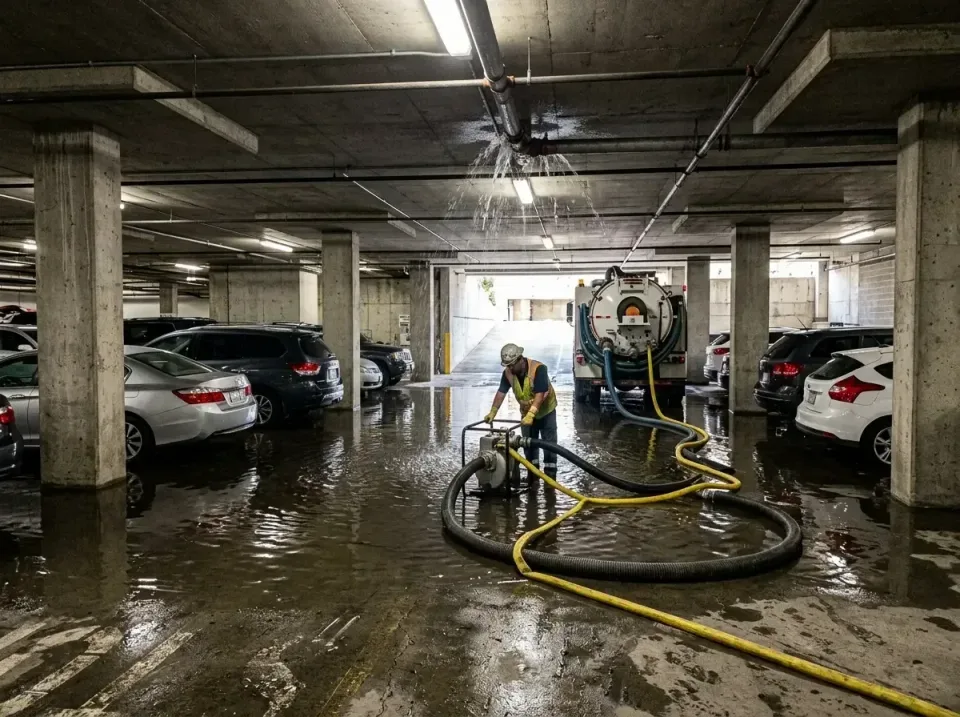
We connect you with trusted local providers in your state or city. Call or email us today.
Tell us what you need and we'll connect you with a qualified local provider in your area — usually within 1 hour during business hours.